Bee venom in skin care: what apitoxin in creams is and how it is used
Bee venom creams contain very little apitoxin, collected without harming the bees. What it is, why it is used in skin care and who must not use it.
By AndrejaPublished 3 min read
Our balm with olive oil and bee venom is one of the products we get the most questions about, and understandably so: “venom” in a cream sounds odd. This article explains what bee venom is, why it is used in skin care, how it is collected and who must not use it. No promises and no medical claims.
What bee venom is
Bee venom, or apitoxin, is a clear liquid that the worker bee produces in a special gland and uses to defend the hive. It consists of peptides (the best known is melittin), enzymes and other compounds. When a bee stings, it injects roughly 0.1 milligrams of venom.
In cosmetics, dried and purified venom is used in very small amounts, as one ingredient in a cream or balm alongside oils, waxes and plant extracts.
Why in skin care
Bee venom has long been used in skin care in the apitherapy tradition, and in cosmetics it became well known over the last fifteen years or so. Manufacturers combine it with nourishing oils in products intended for dry, rough and tired skin, such as the skin on the feet.
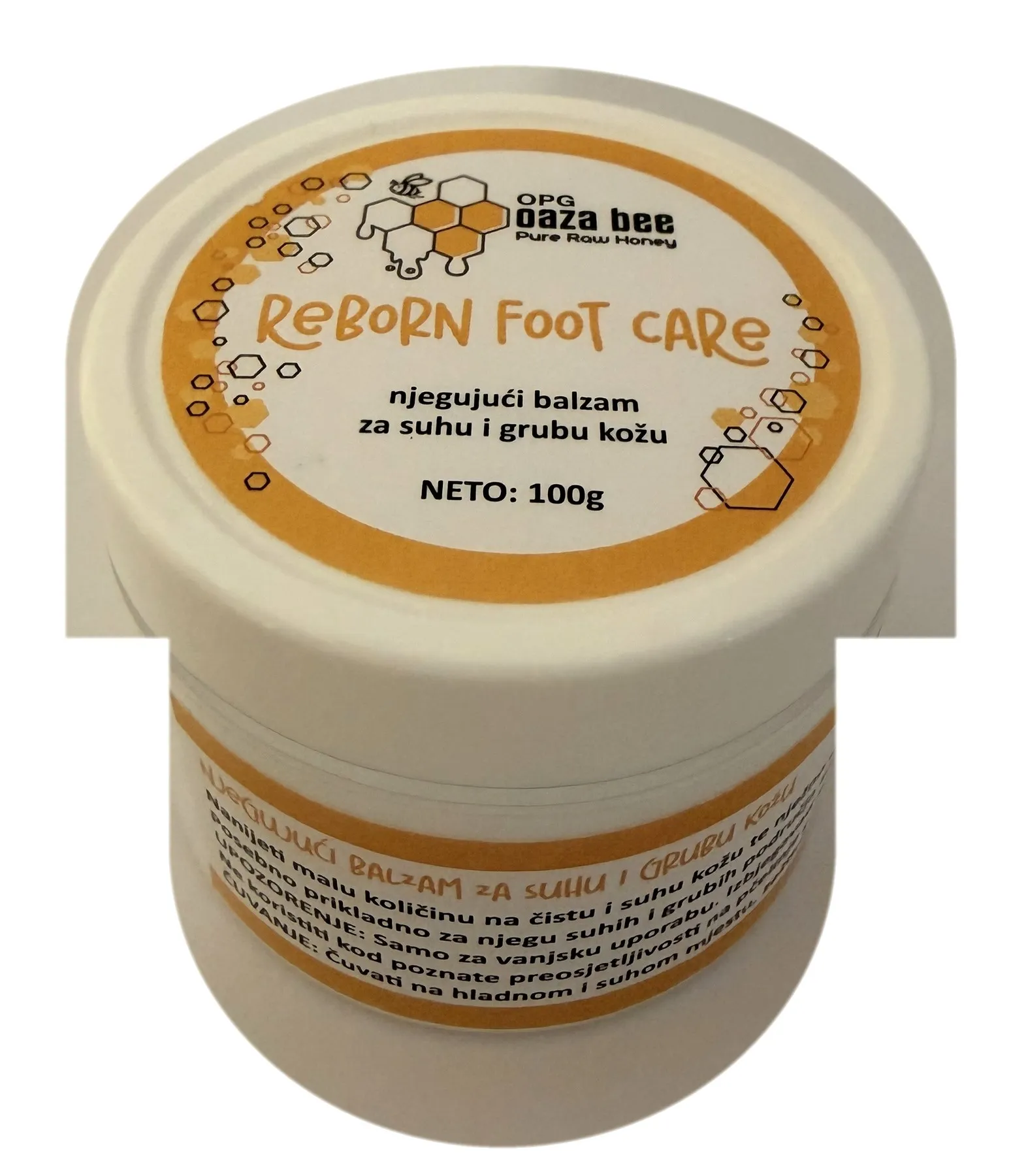
We make no claims about its effects; we are not qualified to. What we can say is that our balm uses a small amount of bee venom in a base of cold-pressed olive oil and beeswax, and that our customers use it as part of their foot care. We describe what that routine looks like in our article on caring for dry heels.
How the venom is collected, without harming the bees
This is the question that worries people who love bees most, so we are giving it a whole section.
The venom is collected with a glass plate across which very thin wires carrying a weak electrical impulse are stretched. The plate is placed briefly at the hive entrance. The bees respond to the stimulus by stinging the glass and releasing a droplet of venom, but on the smooth glass they cannot leave their sting behind, so they are not harmed. The venom dries on the glass and is then scraped off and purified.
The procedure is brief and is carried out rarely. Afterwards the bees carry on with their normal lives.
How to use a bee venom balm
- External use only. The balm goes on the skin, never in the mouth or eyes.
- Patch test before first use. Apply a little balm to the inside of your forearm and wait 24 hours. If there is no reaction, you can use it.
- On clean, dry skin. Most often in the evening, on the heels and feet, with a gentle massage.
- A small amount. The balm is concentrated; a pea-sized amount is enough for both feet.
- Warmth or tingling where it is applied, after a few minutes, is not unusual.
Who must not use it
- People allergic to bee stings or other bee products. No exceptions.
- People with damaged skin, open wounds or inflammation where it would be applied.
- Pregnant and breastfeeding women, and children — not without a doctor’s advice.
- Anyone who develops redness, swelling or itching that does not go away after applying it: wash it off and stop using it.
More in our article on allergies to bee products.
Conclusion
Bee venom in creams is a small amount of purified apitoxin collected without harming the bees, intended for external skin care and never for people with allergies. Our Reborn Foot Care balm combines it with olive oil and beeswax, and we have described the routine for dry heels in a separate article.
Questions and answers
What is bee venom in creams?
Bee venom, or apitoxin, is a natural mixture of peptides and enzymes that bees use for defence. In creams and balms it is present in a very small amount, as one ingredient alongside oils and waxes, and it is intended for external use only.
How is bee venom collected?
Bee venom is collected with a glass plate strung with thin wires, placed at the hive entrance; in response to a mild stimulus the bees release a droplet of venom onto the glass and carry on living, because they do not lose their sting. The dried venom is then scraped off and purified.
Can people allergic to bee stings use bee venom creams?
No. People allergic to bee stings or bee products must not use bee venom creams. Everyone else should do a patch test on a small area of skin before first use and wait 24 hours.
Does bee venom cream sting?
In some users, bee venom cream causes a brief feeling of warmth or slight tingling where it is applied, which is normal. If redness, swelling or itching appears and does not go away, wash the cream off and stop using it.