Chestnut honey: why it’s bitter, how to use it and who will love it
Chestnut honey is dark, aromatic and bitter. Where the bitterness comes from, what to pair it with, how long it stays liquid and how to spot the real thing.
By AndrejaPublished 3 min read
Chestnut honey divides people into two camps. Some can’t stomach it because of the bitterness; others wouldn’t swap it for any other honey. This article is for both camps: we explain where the bitterness comes from, how chestnut honey is best used and how to recognise the real thing.
Where chestnut honey comes from
Sweet chestnut flowers in June and July, later than most nectar plants. Sweet chestnut woods grow on the acidic soils of hilly country, and in Podravina and the Kalnik hills around our oasis there are enough of them for the bees to make pure chestnut honey in a good year.
Chestnut nectar is darker and richer in minerals than acacia or linden nectar. That is why the honey is darker too.
Why it’s bitter
The bitterness of chestnut honey comes from natural compounds in sweet chestnut nectar, among them tannins and aromatic substances. It is not a production fault, nor a sign that the honey has gone off. On the contrary, the bitterness is the simplest proof that you are holding real chestnut honey.
How bitter it is varies from year to year. A wet summer, lots of other plants in flower or early extraction give a milder honey; a dry summer and pure chestnut forage give a stronger one.
What it looks and smells like
- Colour: dark amber to brown, sometimes with a reddish tint.
- Scent: strong, woody, slightly smoky.
- Taste: sweetness at first, then pronounced bitterness and a long finish.
- Texture: liquid; crystallises slowly, often only after more than a year.
How to use it
Chestnut honey is a honey for the kitchen, not just for the spoon.
- With cheese. Hard and mature cheeses, sheep’s cheese, blue cheese. The bitterness of the honey and the saltiness of the cheese are a classic pairing.
- With bread and butter. Home-made bread, cold butter, a thin layer of chestnut honey.
- With walnuts and dried fruit. On a cheese board or as a dessert.
- In marinades. For roast meat, especially pork and poultry; the honey caramelises and adds depth.
- In tea. If you like intense flavours, in black tea or rosehip tea.
For pancakes and children’s breakfasts, go for acacia or wildflower honey instead.
Who will love it
Chestnut honey is chosen by people who like dark chocolate, coffee without sugar, mature cheeses and red wine. If that describes you, or someone you are looking for a gift for, chestnut honey is the right choice. If you are after a mild honey for every day, it isn’t.
As a gift, chestnut honey is most interesting paired with something completely different, such as acacia honey, so the person receiving it can taste just how different honey can be. We write about that in our article on honey gift boxes.
How to recognise real chestnut honey
- It is dark and aromatic; a pale “chestnut” honey is a blend or mislabelled.
- The bitterness is clear, not just hinted at.
- The scent is reminiscent of tree bark and smoke.
- The label says who made it and where.
Conclusion
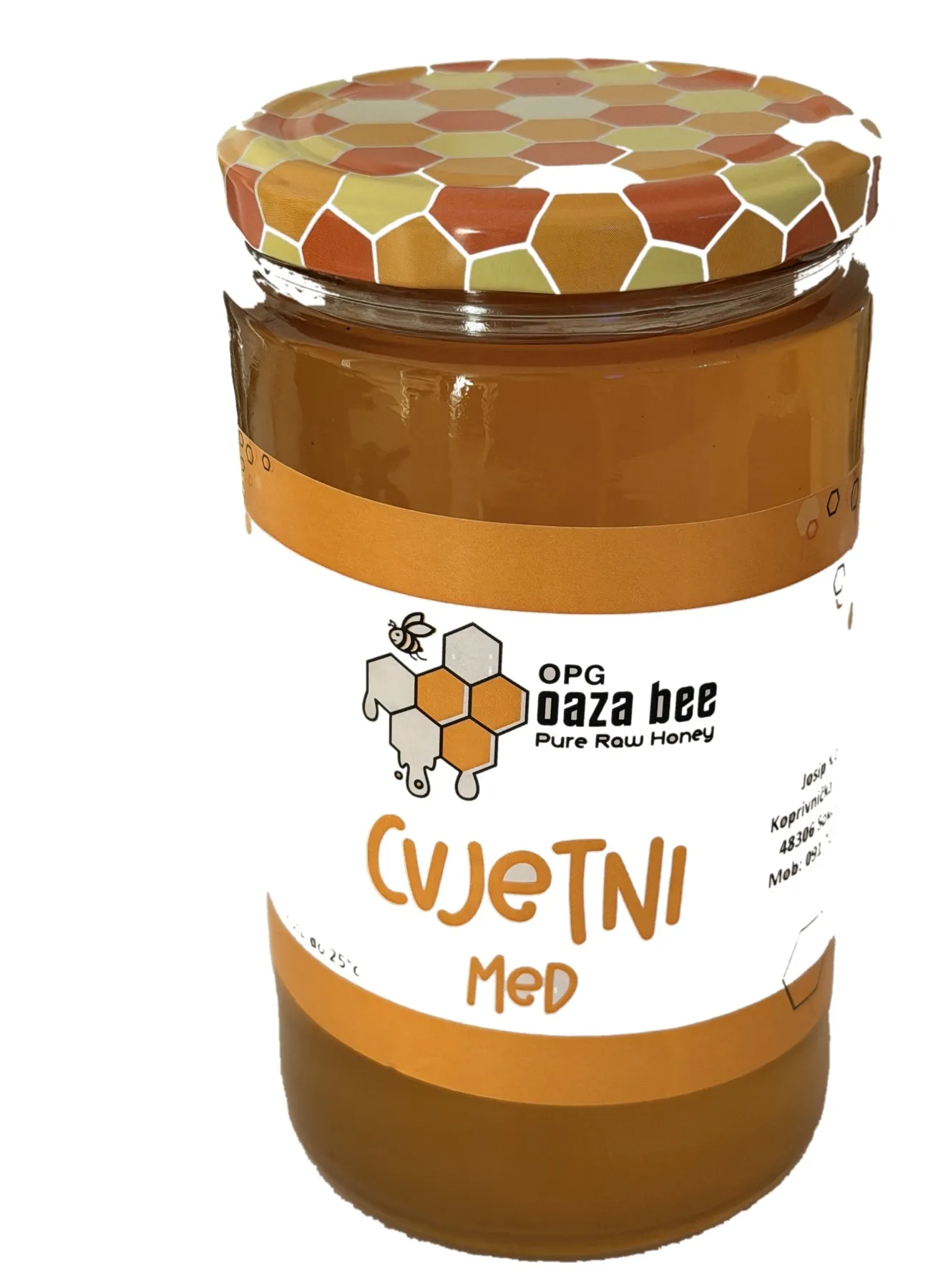
Chestnut honey is a honey with character: dark, strong, bitter and irreplaceable with cheese. It isn’t for everyone, and that is fine. Ours comes from the chestnut woods around Sokolovac and you can see it here. For an overview of the other varieties, read our guide to the types of honey.
Questions and answers
Why is chestnut honey bitter?
Chestnut honey is bitter because of natural compounds in sweet chestnut nectar, including tannins and aromatic substances. The bitterness is a sign that it is genuine chestnut honey, and its intensity varies from year to year and from place to place.
What do you eat chestnut honey with?
Chestnut honey goes best with hard and mature cheeses, bread and butter, walnuts, roast meat and marinades. Because of its strong flavour it is used in smaller amounts than milder honeys.
Does chestnut honey crystallise?
Chestnut honey crystallises slowly and usually stays liquid for months, sometimes more than a year, because it contains relatively more fructose than glucose.
How do you recognise real chestnut honey?
Real chestnut honey is dark amber to brown, intensely aromatic, with a clearly bitter finish and a scent reminiscent of tree bark and smoke. A mild, pale honey labelled as chestnut is most likely a blend.